


Choosing reliable mechanical structural components directly determines the service life, operating accuracy and maintenance cost of industrial equipment. Many manufacturing enterprises only focus on surface dimensional parameters when purchasing cast aluminum parts, ignoring material density, internal stress distribution and corrosion resistance matching the working environment. These overlooked hidden problems often lead to frequent equipment failures, abnormal wear and shortened service cycle in later operation. Premium aluminum alloy die casting components adopt integrated precision molding technology, which fundamentally solves multiple pain points that conventional cast parts cannot avoid in industrial application scenarios.
Internal pores, shrinkage cavities and loose structures are the most fatal hidden defects of ordinary aluminum die castings. Unqualified internal microstructure will cause air leakage, oil leakage, pressure instability and sudden fracture under high-frequency vibration and alternating load. Most low-cost products on the market lack professional vacuum die-casting processes and strict nondestructive testing, so defects cannot be detected in appearance inspection. Long-term operation under high temperature and pressure will amplify tiny internal flaws, triggering unexpected shutdown accidents and huge unplanned maintenance losses. Professional customized die casting solutions effectively eliminate internal structural defects through standardized smelting, precise pressure control and multi-stage cooling processes.
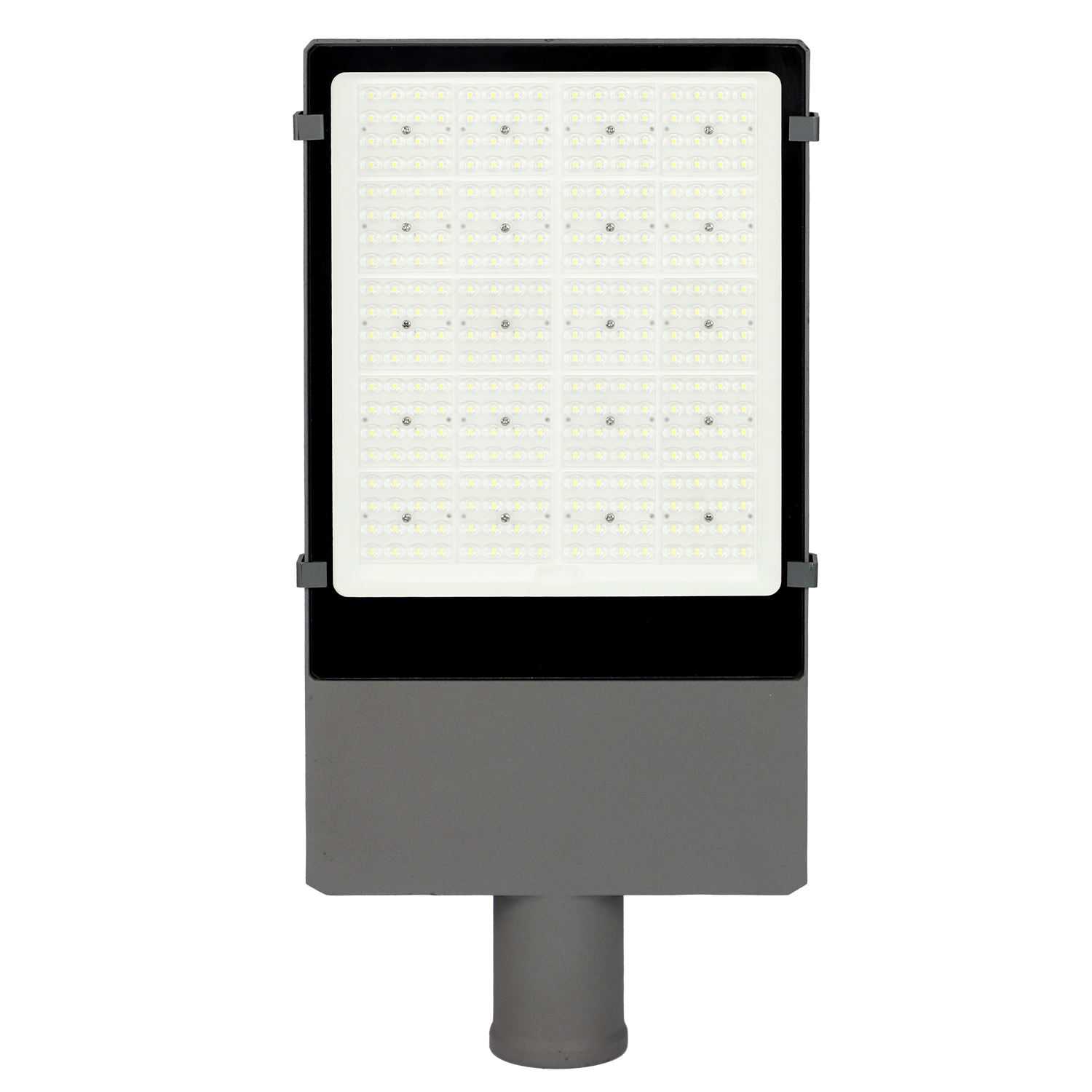
Surface flatness and dimensional tolerance control directly affect assembly efficiency and matching precision of complete equipment. Loose tolerance standards will result in tight assembly, poor fitting clearance, abnormal friction and increased energy consumption of mechanical operation. Mass-produced irregular parts also require secondary polishing and machining, which greatly prolongs the production cycle and increases overall processing costs. Strict dimensional tolerance management ensures that each finished product maintains highly consistent specifications, realizes plug-and-play assembly, and greatly improves the overall production efficiency of downstream assembly lines.
Working environment adaptability is a key factor easily ignored by buyers. Industrial equipment often faces high humidity, oil erosion, temperature changes and outdoor dust corrosion. Ordinary aluminum alloy materials have weak oxidation resistance and poor corrosion resistance, leading to surface peeling, rusting and performance degradation after short-term use. Professional aluminum die casting manufacturer selects high-performance aluminum alloy raw materials, cooperates with anodizing, passivation and spraying surface treatment processes, forming a dense protective layer on the part surface to resist complex harsh working conditions stably for a long time.
Load bearing capacity and fatigue resistance determine the continuous operation safety of mechanical equipment. Many low-quality die castings can meet short-time static pressure tests, but cannot withstand long-term cyclic impact and dynamic load changes. Deformation, cracking and damage occur rapidly after continuous high-intensity operation, bringing great safety hazards to automated production lines and mechanical equipment. Integrated die casting structure optimizes overall stress bearing distribution, significantly improves fatigue resistance and impact resistance, and maintains stable mechanical performance under frequent start-stop and high-load operation.
Performance Comparison Between Ordinary Die Castings & High-Precision Aluminum Alloy Die Cast Parts
| Performance Index | Ordinary Low-Quality Die Castings | High-Precision Custom Aluminum Die Cast Parts |
|---|---|---|
| Internal Structure | Many pores, shrinkage cavities, loose organization | Dense structure, zero obvious internal defects |
| Dimensional Tolerance | Large deviation, unstable batch size | Ultra-precise tolerance, highly consistent batches |
| High Temperature Resistance | Poor, easy to deform above 150℃ | Stable performance below 220℃, no deformation |
| Corrosion Resistance | Weak, easy to oxidize and corrode in humid environment | Strong anti-corrosion, suitable for oil, moisture and dust scenes |
| Fatigue Service Life | Short, frequent damage under cyclic load | Long service life, stable under long-term high-frequency operation |
| Post-Processing Cost | High, frequent secondary machining required | Low, direct assembly without extra finishing |
Most enterprises misunderstand that all aluminum die castings have the same performance, only comparing unit prices blindly. In fact, raw material ratio, molding process, mold precision, testing procedures and surface treatment all change the actual use value of parts. Cheap inferior products seem to save procurement costs in the early stage, but frequent replacement, equipment failure shutdown and maintenance labor costs will far exceed the price difference of high-quality parts in the whole life cycle. Reasonable selection of precision die casting parts is a cost-effective long-term investment rather than simple expense control.
Different industries such as automotive accessories, intelligent machinery, communication equipment and power devices have completely different requirements for aluminum casting parameters. Universal standard parts cannot match special working conditions, resulting in mismatched strength, insufficient sealing performance and inaccurate matching precision. Customized die casting services can adjust material formula, wall thickness structure, process flow and surface treatment mode according to actual equipment parameters and use scenarios, maximizing matching degree and operation stability.
Nondestructive testing, pressure resistance testing, hardness testing and appearance quality inspection run through the whole production process of qualified aluminum alloy die cast products. Every finished product leaves the factory with complete quality inspection data, avoiding defective products flowing into the production link. Comprehensive quality control system ensures batch stability, avoids quality differences between different batches, and guarantees continuous and stable operation of mass assembled equipment.
In summary, selecting suitable high-precision aluminum alloy die casting parts is not only related to assembly accuracy, but also closely linked to enterprise production safety, operation cost control and equipment service cycle. Attaching importance to internal material quality, process standardization and environmental adaptability, avoiding superficial price competition, can fundamentally solve long-term hidden troubles in mechanical operation and bring continuous stable benefits to industrial production.